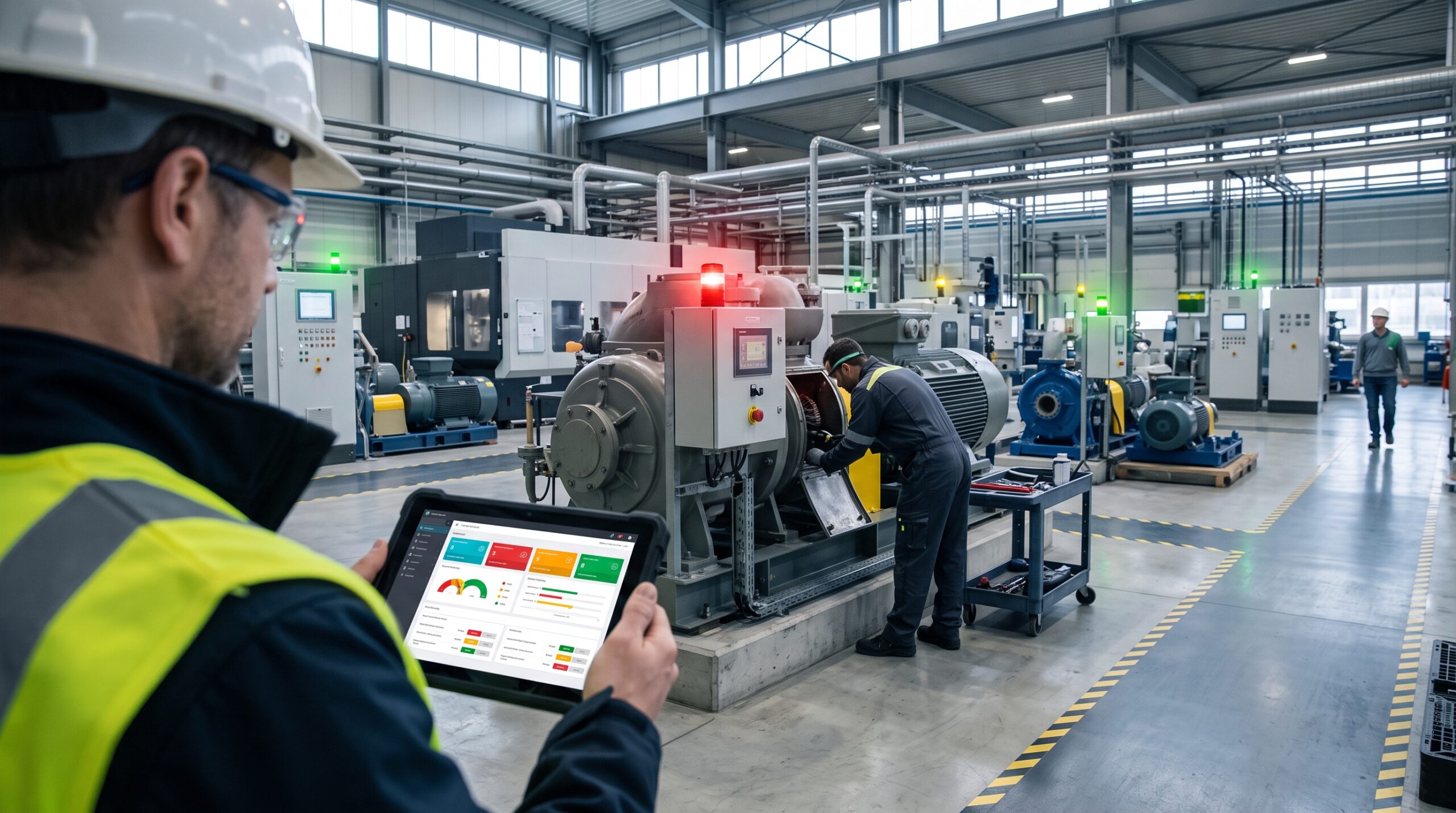
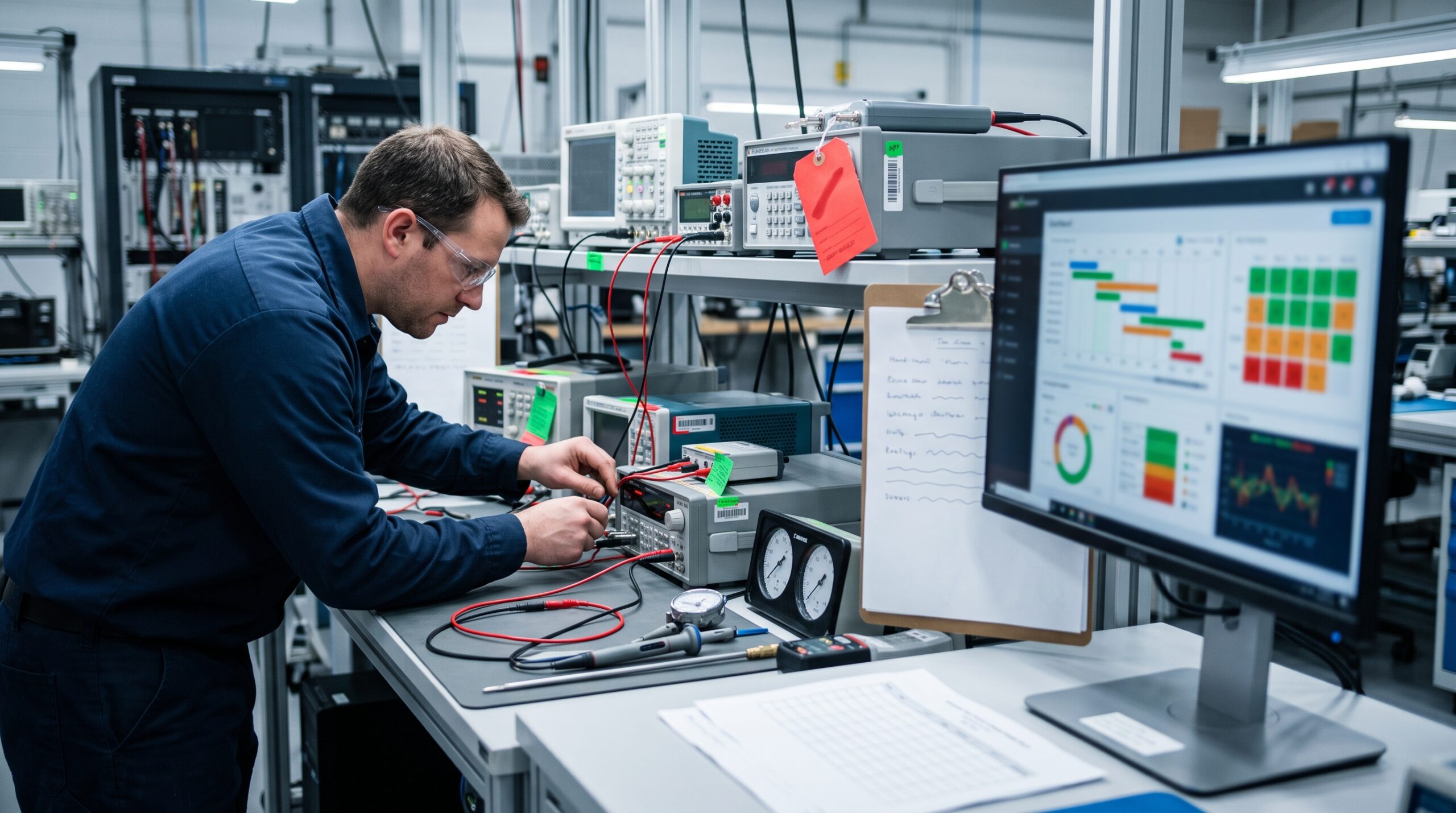
For decades, maintenance has been viewed primarily as a necessary expense – an operational function that keeps equipment running but contributes little to business growth. Organizations often allocated minimal budgets to maintenance departments, measuring success by how well costs were controlled rather than by the value created. Today, however, this perspective is rapidly changing. Forward-thinking companies are transforming maintenance from a reactive obligation into a strategic advantage that drives productivity, safety, and long-term profitability.
This shift requires more than incremental improvements. It demands a reimagining of how maintenance is planned, executed, and evaluated across the enterprise.
The Traditional Cost-Center Mindset
Historically, maintenance teams operated in a “fix-it-when-it-breaks” environment. Breakdowns triggered urgent repairs, production stopped, and resources were diverted to restore operations as quickly as possible. While this approach might seem practical, it often results in:
- Unexpected downtime
- Higher labor costs due to emergency repairs
- Shortened asset lifespan
- Increased safety risks
- Inefficient use of spare parts
When leadership views maintenance purely as an expense, investment in tools, training, and preventive strategies tends to be limited. Over time, this underinvestment compounds operational challenges and restricts an organization’s ability to scale effectively.
The Emergence of Value-Driven Maintenance
Modern organizations recognize that well-managed maintenance directly impacts revenue. Equipment reliability ensures consistent production, improves product quality, and enhances customer satisfaction. Instead of asking, “How much does maintenance cost?” leaders are beginning to ask, “How much value does reliable equipment generate?”
A value-driven approach reframes maintenance as a contributor to strategic objectives rather than a drain on resources. Companies that adopt this mindset typically focus on proactive planning, data-driven decision-making, and continuous improvement.
Moving from Reactive to Proactive Strategies
The first step in redefining maintenance is abandoning reactive workflows in favor of proactive methods. Preventive maintenance schedules reduce the likelihood of unexpected failures, while predictive techniques leverage data to identify issues before they escalate.
A structured software maintenance plan enables teams to standardize inspections, automate reminders, and track asset performance over time. Rather than relying on memory or manual logs, organizations gain a clear roadmap for maintaining equipment at optimal levels.
The benefits are substantial:
- Fewer production interruptions
- Better forecasting of maintenance needs
- Reduced overtime expenses
- Improved compliance with safety standards
Most importantly, proactive maintenance fosters operational stability – an essential foundation for growth.
Leveraging Technology for Strategic Impact
Digital transformation has reshaped nearly every business function, and maintenance is no exception. Advanced maintenance management software empowers teams with real-time visibility into asset health, work orders, and performance metrics.
Instead of juggling spreadsheets or paper-based systems, managers can access centralized dashboards that reveal trends and highlight inefficiencies. This transparency allows organizations to shift from guesswork to informed strategy.
Key advantages of technology-enabled maintenance include:
Data-Driven Decisions: Historical performance data helps prioritize high-risk assets and optimize maintenance intervals.
Resource Optimization: Automated scheduling ensures technicians focus on high-value tasks rather than administrative work.
Inventory Control: Better tracking prevents overstocking while reducing the risk of critical spare-part shortages.
Accountability: Digital records improve traceability and support regulatory audits.
When implemented thoughtfully, technology does more than streamline operations-it transforms maintenance into a measurable driver of business performance.
Aligning Maintenance with Organizational Goals
To fully transition from cost center to value driver, maintenance must align with broader organizational priorities. This requires cross-functional collaboration between operations, finance, and leadership teams.
For example, if a company aims to increase production capacity, maintenance strategies should focus on maximizing equipment availability. If sustainability is a priority, extending asset life and minimizing waste become central objectives.
Metrics also need to evolve. Instead of focusing solely on maintenance spend, organizations should evaluate indicators such as:
- Overall equipment effectiveness
- Mean time between failures
- Planned versus unplanned work ratios
- Asset lifecycle cost
These metrics provide a more holistic view of how maintenance contributes to profitability and resilience.
Empowering the Workforce
Even the most sophisticated strategy will fail without a capable and engaged workforce. Maintenance professionals possess critical institutional knowledge that should be cultivated rather than overlooked.
Investing in training ensures technicians remain proficient with emerging technologies and diagnostic tools. Additionally, encouraging a culture of ownership motivates teams to identify improvement opportunities proactively.
Communication plays a vital role here. When maintenance staff understand how their work supports organizational success, engagement naturally increases. Recognizing their contributions further reinforces the shift from reactive service providers to strategic partners.
Overcoming Common Barriers
Despite the clear benefits, many organizations struggle to modernize maintenance practices. Common obstacles include budget constraints, resistance to change, and uncertainty about return on investment.
Addressing these challenges requires strong leadership and a phased implementation approach. Starting with pilot programs allows companies to demonstrate measurable gains before scaling initiatives across facilities.
Change management is equally important. Transparent communication about goals, expectations, and benefits helps build trust and minimize disruption during the transition.
The Financial Case for Strategic Maintenance
One of the most compelling arguments for rethinking maintenance is its financial impact. While proactive initiatives may require upfront investment, the long-term savings often outweigh initial costs.
Consider the cumulative effect of reduced downtime, lower repair expenses, and improved productivity. Over time, these gains translate into stronger margins and a more predictable operating environment.
Moreover, reliable assets enhance customer confidence. Consistent delivery schedules and high-quality output strengthen brand reputation – an intangible yet powerful competitive advantage.
Preparing for the Future
As industries become increasingly automated and interconnected, the importance of strategic maintenance will only grow. Emerging technologies such as artificial intelligence, remote monitoring, and advanced analytics are poised to further elevate maintenance capabilities.
Organizations that embrace innovation today position themselves to adapt quickly tomorrow. Those that cling to outdated practices risk falling behind competitors who recognize maintenance as a catalyst for operational excellence.
Conclusion
The perception of maintenance is undergoing a fundamental transformation. No longer confined to the role of a cost center, it is emerging as a vital contributor to efficiency, safety, and profitability.
By adopting proactive strategies, leveraging digital tools, aligning with organizational goals, and empowering skilled professionals, businesses can unlock the full potential of their maintenance function.
The journey from expense to value driver does not happen overnight. It requires commitment, vision, and a willingness to challenge long-standing assumptions. Yet for organizations prepared to rethink their approach, the reward is clear: a more resilient operation, stronger financial performance, and a sustainable path toward future growth.