Walk into most maintenance departments today and you’ll hear some version of the same concern, and AI maintenance scheduling is usually at the center of it: will this technology replace the planners and technicians who’ve kept the operation running for years? It’s a fair question, given how AI is talked about elsewhere. But in maintenance, the reality on the ground looks very different from the headlines. AI isn’t taking over scheduling decisions, it’s removing the guesswork and manual grind that keep experienced planners from doing their best work.
The maintenance teams seeing real gains from AI aren’t the ones that handed over decision-making to an algorithm. They’re the ones using AI to surface better information faster, so the humans making the calls who still understand the equipment, the plant, and the people better than any model can act on it sooner and with more confidence.
What AI Actually Does in Maintenance Scheduling
Traditional maintenance scheduling relies on fixed intervals, technician memory, and whatever’s flagged as urgent that day. It works, but it’s reactive by nature and slow to adapt when conditions change. AI changes the inputs feeding that process rather than the process itself.
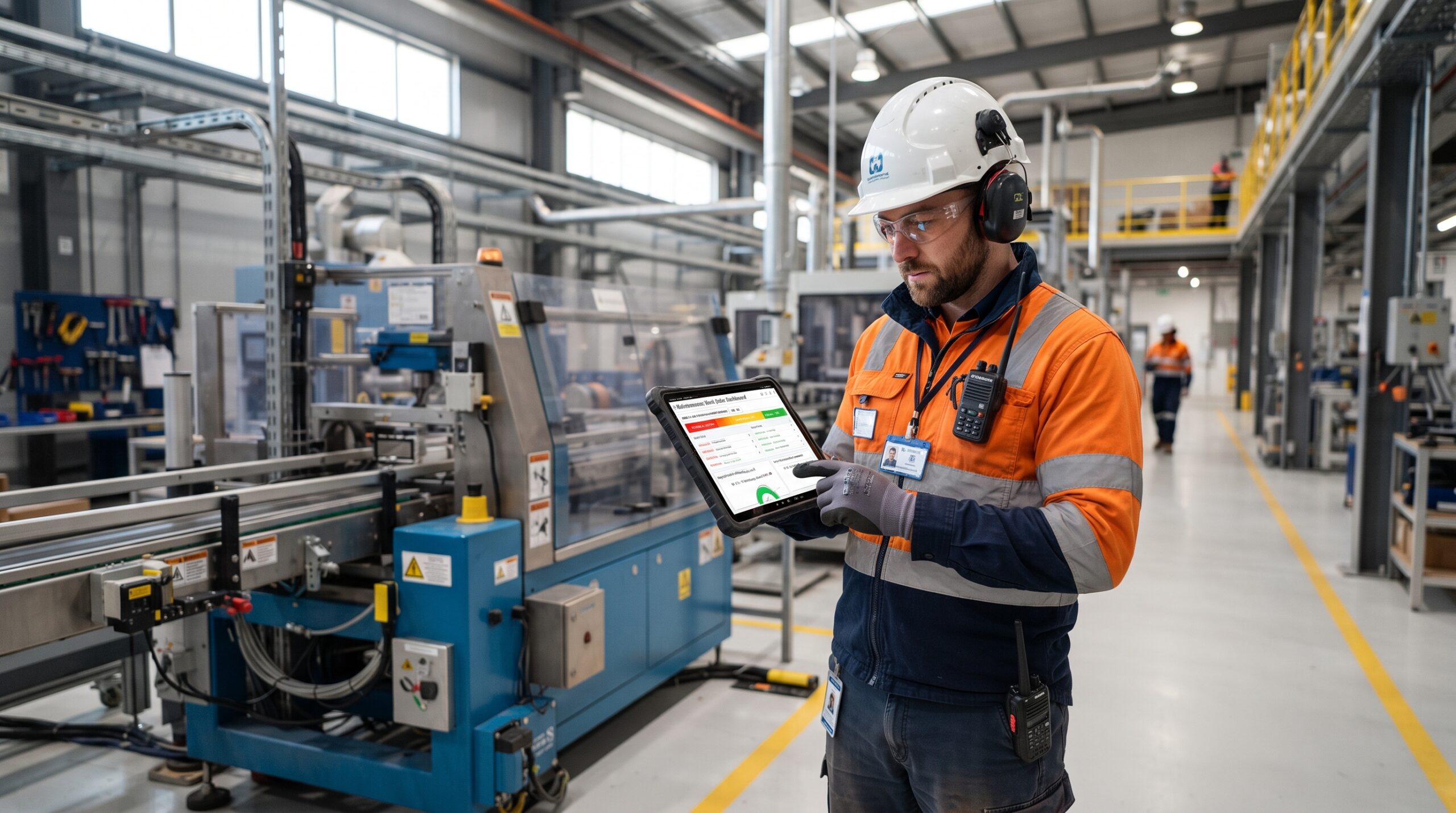
In practice, AI-driven scheduling tools analyze patterns across sensor data, work order history, and asset performance to flag which equipment is trending toward failure, predict how long a job will realistically take based on historical data, and recommend when a technician’s actual availability lines up best with a task’s urgency. None of that removes the planner from the loop, it hands them a prioritized, evidence-backed starting point instead of a blank schedule built from memory and instinct alone.
The distinction matters. A model can spot that vibration readings on a specific motor are trending upward faster than normal. It can’t decide whether that motor’s criticality, current production schedule, and available technician skill set justify pulling it offline this week versus next. That judgment call still belongs to the planner.
How AI CMMS Platforms Bring This to Life
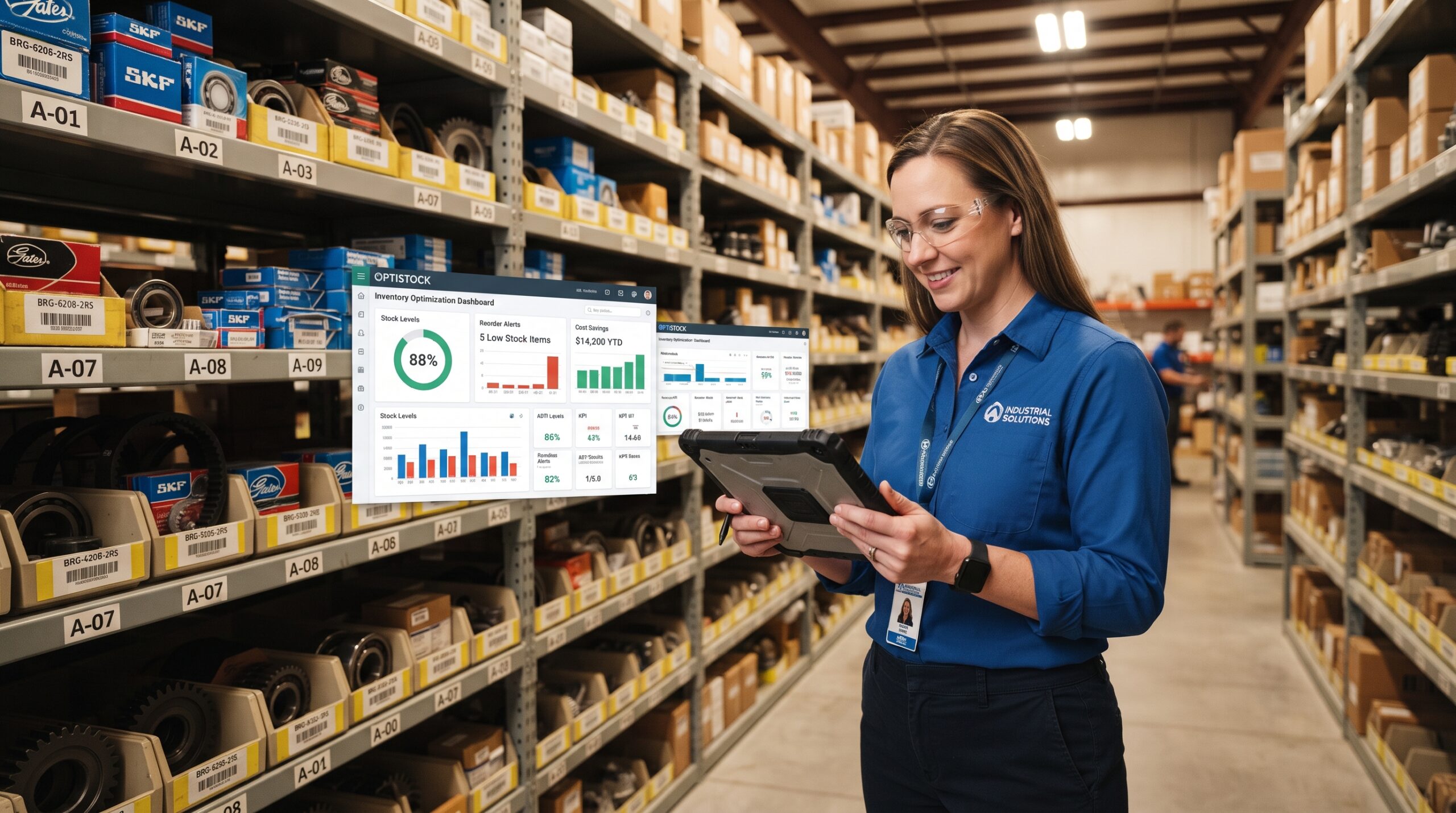
Most of this capability now lives inside modern AI CMMS platforms, computerized maintenance management systems with predictive and automation features layered on top of the traditional work order and asset tracking functions. Instead of a static database that simply records what happened, an AI CMMS actively analyzes that data to inform what should happen next.
Common capabilities include:
- Predictive failure alerts: based on condition monitoring data and historical failure patterns
- Automated priority scoring: for incoming work orders, based on criticality and urgency signals
- Smart scheduling suggestions: that account for technician skills, availability, and travel time between assets
- Natural language work order creation: letting technicians log issues in plain language rather than navigating rigid forms
These features don’t eliminate the planner’s role.They compress the time spent gathering and cross-referencing information, so more time goes into the actual decisions that require human judgment: balancing competing priorities, managing relationships with operations, and making calls that involve trade-offs a model isn’t positioned to weigh.
Where Maintenance Automation Fits and Where It Doesn’t
Maintenance automation is often misunderstood as a step toward removing people from the process entirely. In reality, the automation gains in maintenance scheduling show up almost entirely in the repetitive, low-judgment tasks that used to eat up planners’ time: generating routine work orders from PM schedules, routing tickets to the right queue, sending reminders for upcoming inspections, and compiling performance reports that used to take hours to assemble manually.
What automation doesn’t do and shouldn’t be expected to do is replace the situational awareness that experienced technicians and planners bring. A model might flag a pump as high priority based on sensor trends, but it doesn’t know that the same pump is scheduled for replacement next month anyway, or that the technician who normally handles it is out this week and a less experienced replacement will need extra time. That kind of context lives with the team, not the algorithm.
The most effective maintenance automation strategies are explicit about this boundary: automate the administrative overhead, keep humans in charge of the decisions that require context the system doesn’t have.
Why This Approach Builds Trust Instead of Resistance
Maintenance teams have understandably grown skeptical of technology pitched as a replacement for expertise. Tools that ignore this dynamic pushing fully automated decisions without transparency into the reasoning tend to get quietly worked around by technicians who don’t trust the output.
AI maintenance scheduling tools that succeed long-term are the ones designed to show their work: surfacing why an asset was flagged, what data drove a priority score, and giving planners the ability to override recommendations easily. That transparency is what turns AI from a black box into a genuinely useful second opinion one planners can validate against their own experience rather than blindly follow.
Over time, as recommendations prove accurate, trust builds naturally. But that trust only develops because the system was built to support human judgment rather than bypass it from day one.
Getting Started Without Overhauling Everything
Teams don’t need to adopt every AI feature at once. A practical starting point is enabling automated priority scoring and predictive alerts on a subset of the most critical assets, giving planners a chance to compare AI-driven insights against their existing judgment before expanding further. This gradual rollout builds internal confidence in the tool and gives the team time to establish where the AI’s recommendations are reliable and where local context still needs to override them.
The Bottom Line
AI maintenance scheduling isn’t about replacing the people who keep equipment running it’s about giving them better information, faster, so their expertise goes further. An AI CMMS handles the pattern recognition and repetitive administrative work, while maintenance automation clears out the low-value tasks that used to consume planners’ time. What’s left is a team that spends less time hunting for information and more time making the judgment calls that actually require human experience which is exactly where that experience delivers the most value.
Transform the Way You Manage Assets
Gain greater visibility into your maintenance operations with Azzier’s CMMS platform. Contact us today to discover how our solutions can help improve asset performance, streamline workflows, and reduce operational costs.
Frequently Asked Questions
- Will AI replace maintenance planners and technicians?
No. AI handles pattern recognition, data analysis, and repetitive administrative tasks, but decisions involving trade-offs, context, and judgment still require experienced maintenance staff. - What is an AI CMMS?
An AI CMMS is a computerized maintenance management system enhanced with predictive analytics and automation features, such as failure prediction, automated priority scoring, and smart scheduling recommendations, layered on top of traditional work order tracking. - What tasks does maintenance automation typically handle?
Maintenance automation usually covers repetitive, low-judgment work generating routine work orders, routing tickets, sending inspection reminders, and compiling reports freeing up time for tasks that require human decision-making.