In today’s competitive and cost-conscious business environment, organizations can no longer afford reactive or outdated maintenance practices. Assets such as machinery, equipment, vehicles, and facilities represent a significant investment, and how they are maintained directly impacts their total lifecycle cost. Modern maintenance management has emerged as a strategic approach that not only ensures asset reliability but also plays a critical role in reducing long-term operational expenses.
By leveraging digital tools, data-driven insights, and proactive maintenance strategies, businesses can significantly extend asset lifespan, reduce downtime, and optimize resource utilization. This is where modern maintenance management truly becomes a game-changer.
Understanding Asset Lifecycle Costs
Asset lifecycle costs include every expense associated with an asset from acquisition to disposal. These costs typically cover:
- Purchase and installation
- Operation and energy consumption
- Maintenance and repairs
- Downtime and productivity loss
- Replacement or disposal
While purchase costs are fixed, maintenance and operational expenses are where businesses have the greatest opportunity to reduce overall spending. Poor maintenance practices often lead to frequent breakdowns, emergency repairs, and premature asset replacement – all of which dramatically increase lifecycle costs.
The Shift from Reactive to Proactive Maintenance
Traditional maintenance approaches are largely reactive, meaning repairs are only performed after equipment fails. While this may seem cost-effective in the short term, it often results in higher repair costs, unplanned downtime, and reduced asset life.
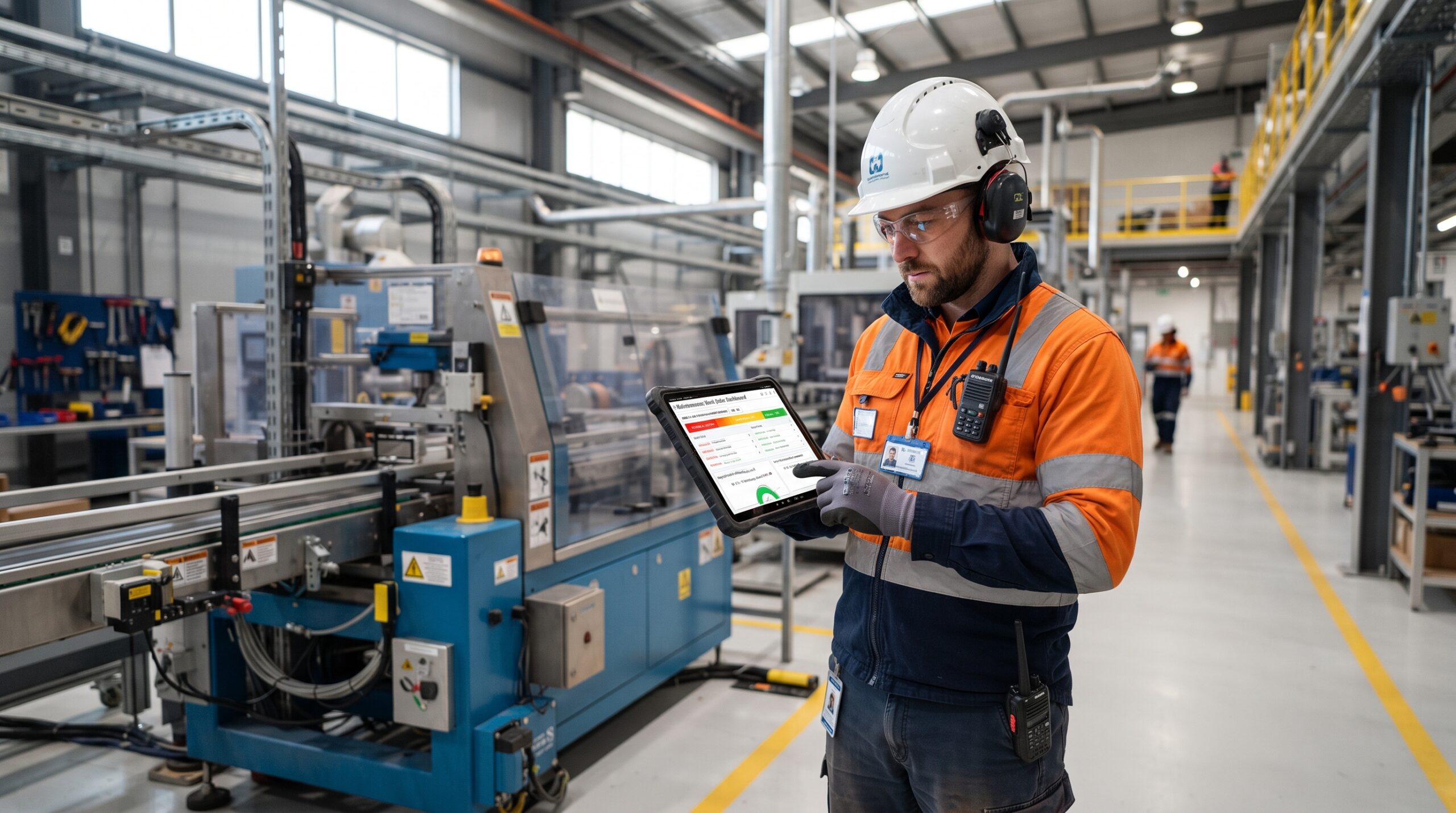
Modern maintenance management focuses on proactive and preventive strategies. Using maintenance tracking software, organizations can schedule routine inspections, track asset performance, and address potential issues before they escalate into major failures. This shift helps prevent costly breakdowns and ensures assets operate at peak efficiency.
Improved Asset Visibility and Control
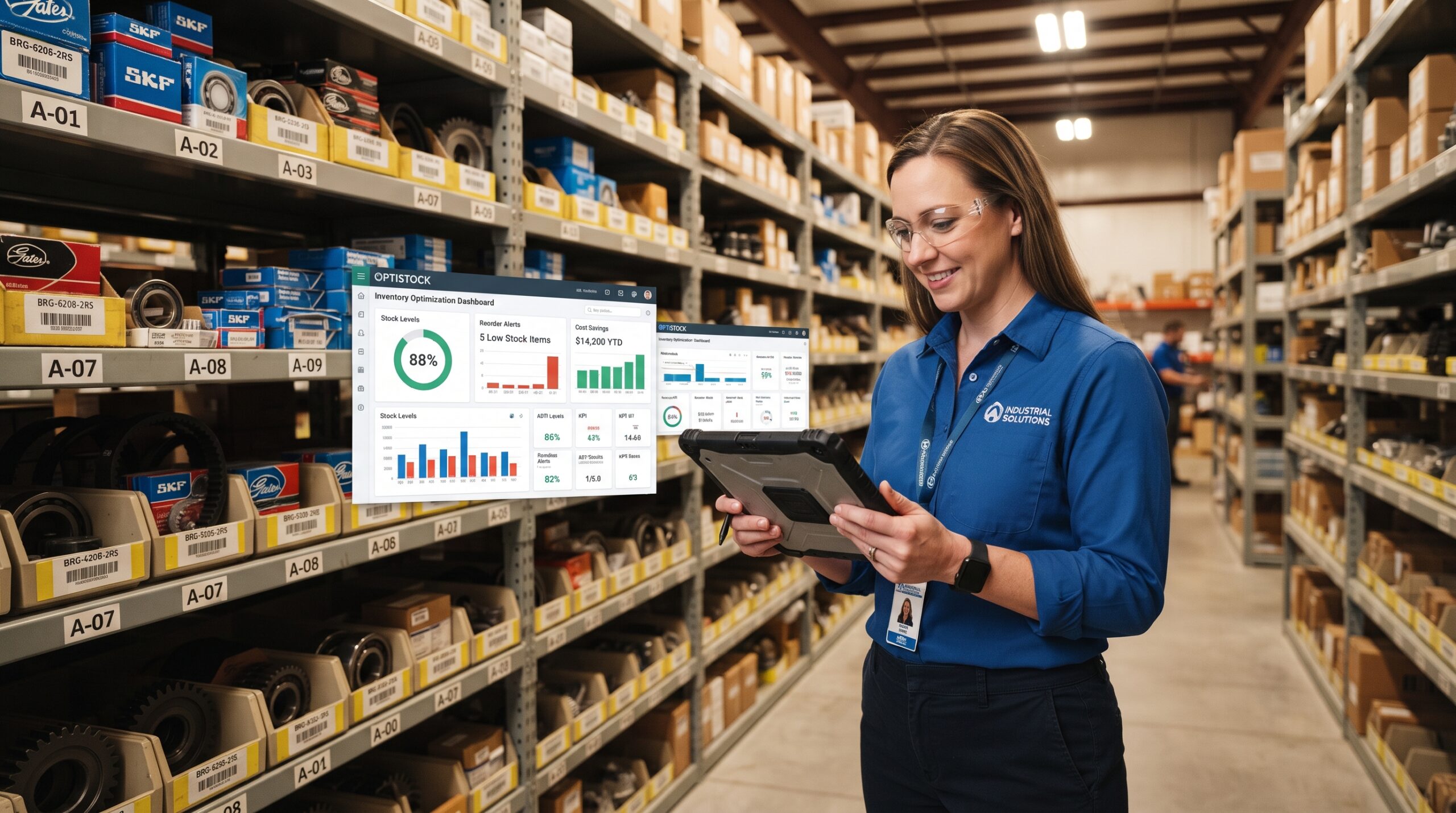
One of the biggest advantages of modern maintenance management is enhanced visibility across all assets. Digital systems centralize maintenance data, allowing teams to monitor asset health, maintenance history, and performance trends in real time.
With equipment maintenance software, maintenance managers can easily identify which assets require attention, which are consuming excessive resources, and which may be nearing the end of their useful life. This level of insight enables better planning, smarter budgeting, and informed decision-making—ultimately reducing unnecessary maintenance expenses.
Reduced Downtime and Increased Productivity
Unplanned downtime is one of the most expensive consequences of poor maintenance management. Equipment failures can halt operations, disrupt workflows, and lead to missed deadlines or lost revenue.
Modern maintenance systems help minimize downtime by enabling predictive maintenance. By analyzing performance data and historical trends, teams can service equipment at the right time rather than too early or too late. This proactive approach ensures assets remain operational for longer periods, improving overall productivity while reducing costly interruptions.
Optimized Maintenance Costs
Without proper tracking, maintenance costs can quickly spiral out of control. Labor hours, spare parts, and emergency services often go unmonitored, making it difficult to identify inefficiencies.
By using maintenance tracking software, organizations gain detailed insights into maintenance expenses. This allows teams to:
- Track labor and parts usage accurately
- Eliminate redundant or unnecessary maintenance tasks
- Negotiate better supplier contracts based on usage data
Over time, these optimizations lead to lower maintenance costs and improved return on asset investment.
Extended Asset Lifespan
Assets that are well-maintained last longer. Regular inspections, timely repairs, and proper servicing significantly reduce wear and tear. Modern maintenance management ensures maintenance tasks are performed consistently and in accordance with manufacturer recommendations.
Equipment maintenance software supports this by maintaining complete service histories and automated maintenance schedules. As a result, assets perform more reliably, require fewer major repairs, and reach the end of their lifecycle much later than poorly maintained equipment—saving organizations substantial replacement costs.
Better Compliance and Risk Reduction
Many industries are subject to strict regulatory and safety requirements. Failure to maintain equipment properly can result in fines, legal issues, or safety incidents, all of which add to lifecycle costs.
Modern maintenance management systems provide detailed documentation and audit trails for all maintenance activities. This ensures compliance with industry standards, improves workplace safety, and reduces the risk of costly penalties or accidents.
Data-Driven Decision Making
One of the most powerful benefits of modern maintenance management is access to actionable data. Maintenance analytics help organizations identify patterns, predict failures, and continuously refine maintenance strategies.
With reliable data from maintenance tracking software, businesses can decide whether to repair, upgrade, or replace assets based on actual performance rather than assumptions. This data-driven approach leads to smarter investments and lower total cost of ownership.
Conclusion
Modern maintenance management is no longer just an operational necessity – it is a strategic investment that directly impacts asset lifecycle costs. By moving away from reactive maintenance and adopting digital tools such as equipment maintenance software, organizations can improve asset reliability, reduce downtime, optimize costs, and extend asset lifespan.
In an era where efficiency and cost control are critical to success, implementing modern maintenance management practices is one of the most effective ways to protect assets, maximize their value, and achieve long-term financial sustainability.